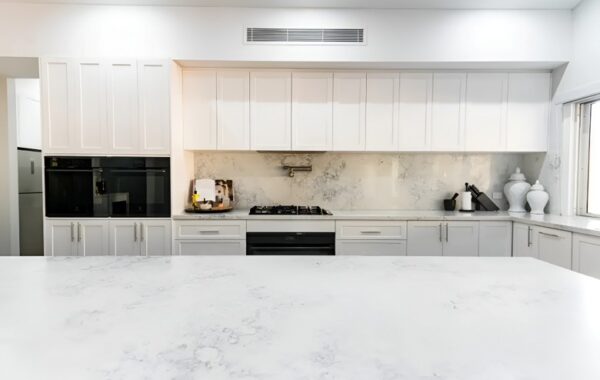
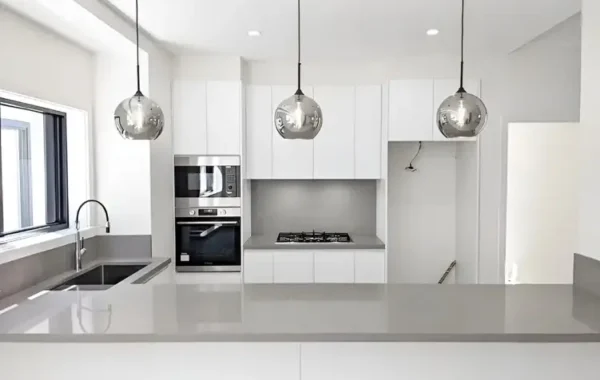
Modern kitchen design in Australia has shifted well beyond the basics of benchtops and cabinets. Today’s kitchens are thoughtfully conceived spaces where functionality, sustainability, and beauty come together. At Prominent Kitchens & Joinery, we understand what Sydney homeowners need from the heart of their home. This guide covers the most exciting ideas reshaping the way Australians design, renovate, and live in their kitchens.
Key Takeaways
- Open-plan kitchens remain the dominant layout choice in Australia, connecting cooking, dining, and living in a cohesive flow.
- Sustainable materials, including recycled timber and zero-silica engineered stone, are now mainstream choices for Sydney renovations.
- Smart technology integration is reshaping kitchen functionality, from voice-activated appliances to sensor-controlled lighting.
- Kitchen renovations deliver strong ROI, with Sydney kitchen remodels typically returning 65 to 75% of investment at resale.
- Custom design and professional project management are the keys to achieving a kitchen that genuinely works for your lifestyle.
Why Modern Kitchen Design Matters More Than Ever
The kitchen is no longer a purely utilitarian space in the Australian home. It is a gathering point, an entertaining hub, a workspace, and often the first room a potential buyer notices. Residential building alterations and additions represent a significant and growing portion of Australia’s construction activity. Kitchens account for a substantial share of that spend.
The kitchen is the interior room Australians renovate most, accounting for 26% of all renovations. With the average renovation budget climbing sharply in 2025, smart decisions about design and materials have never been more important.
Idea 1: Embrace Open-Plan Living to the Fullest
Open-plan kitchen design is not new to Australia, but the way it is being executed has evolved considerably. Today’s open-plan kitchens flow seamlessly into dining and living areas, with layout planning that accounts for sightlines, acoustic comfort, and the practical realities of family life.
The key to making this work well is thoughtful zoning. The cooking area, preparation area, and social zones each serve a distinct function, but they need to feel like a single unified space rather than three separate rooms without walls.
Matching splashbacks and benchtops are one of the most coveted modern kitchen design trends of the year, creating a natural sense of cohesion and visual flow through the open-plan space. Extending the benchtop material across the splashback and even up to ceiling height delivers a dramatic, unified result.
Idea 2: Choose Materials That Are Built to Last
Material selection in a modern kitchen is a long-term decision. The surfaces you choose now will need to perform under years of daily use, temperature fluctuation, and the particular demands of Australian summers.
Benchtops
The Australian engineered stone landscape shifted significantly in 2024. The national ban on engineered stone with high crystalline silica content took effect from 1 July 2024, driven by the serious health risk of silicosis among stonemasons and kitchen workers. This has led Sydney homeowners and designers to increasingly specify zero-silica engineered stone, sintered stone, natural stone, and premium solid surfaces in its place.
Each alternative brings distinct qualities:
- Zero-silica engineered stone delivers the familiar look and durability of traditional engineered stone without the associated health concerns.
- Sintered stone is an ultra-durable, non-porous surface that resists heat, scratching, and staining, making it ideal for busy Sydney households.
- Natural stone, including quartzite and marble, provides an organic, unique result that ages beautifully and never quite repeats itself.
Cabinetry
Textured cabinetry is one of the most significant visual shifts in contemporary kitchen design. Flat, handleless doors have given way to fluted profiles, ribbed panels, and mixed material combinations. Timber accents and woodgrain finishes bring warmth to spaces that would otherwise lean too cold or clinical.
Idea 3: Design for Natural Light and Biophilic Connection
Biophilic design, which refers to the practice of integrating natural elements into the built environment, has become one of the defining characteristics of the modern Australian kitchen. Larger windows, skylights, indoor herb gardens, and the use of timber, stone, and textured natural materials all contribute to a kitchen that feels grounded and calm.
Biophilic design is gaining traction as homeowners seek to foster calm, connection, and well-being through natural light, indoor plants, and organic material choices. For a kitchen, this translates into softer, more liveable spaces that feel distinctly Australian.
Engineered stone accounts for around 40% of kitchen benchtop selections across Australia, but the shift to natural and zero-silica alternatives is accelerating as homeowners prioritise both sustainability and safety.
Idea 4: Smart Technology That Actually Serves You
Kitchen technology has progressed from a novelty to a genuine design consideration. The goal is not to add technology for its own sake, but to integrate it in ways that reduce friction in daily life without compromising the kitchen’s aesthetic.
The ideas that are gaining the most traction across Sydney’s modern kitchens include:
- Induction cooktops with precise zone control, offering faster heat-up times and a flush, easy-to-clean surface.
- Voice-activated appliances and app-controlled ovens that allow preheating, recipe settings, and monitoring from anywhere in the home.
- Integrated charging points and USB stations built into the island or drawer systems, keeping devices off the bench.
- Sensor-activated tap hardware reduces contact points and improves both hygiene and water efficiency.
- Hidden rangehood systems concealed behind cabinetry panels or recessed into the ceiling, removing one of the kitchen’s most visually dominant elements.
Technology integration is increasingly being requested from the planning stage rather than added as an afterthought. The best results come from designing the technology into the kitchen from the beginning, not retrofitting it around existing infrastructure.
Idea 5: Custom Design That Reflects How You Actually Live
The most enduring kitchens are not trend-driven. They are tailored to the specific way a household cooks, entertains, shops, and moves through the space. That level of personalisation requires custom design rather than off-the-shelf solutions.
Custom design begins with a detailed consultation to understand how your household actually uses the kitchen. We ask questions that most design processes skip: Where do your groceries enter the house? Where does school bag storage need to happen? Do you batch cook? Do you entertain large groups? The answers shape every decision that follows.
Custom joinery means proportions, storage types, and configurations are all calculated around your specific needs rather than standard module dimensions. The result is a kitchen that feels immediately intuitive to use, because it was designed around you.
Idea 6: The Island as the True Centre of the Home
The kitchen island has evolved from a preparation surface into a social infrastructure. In modern Sydney homes, the island serves as the breakfast bar, the homework desk, the drink station, the informal dining table, and the conversation anchor when entertaining.
Multifunctional island design considers seating height and depth, integrated appliances such as wine fridges and warming drawers, built-in power and charging, and the relationship between the island and the surrounding traffic flow. A well-designed island does not just look impressive; it makes the whole kitchen more efficient.
Idea 7: Sustainability as a Design Principle
Environmental awareness has shifted from a nice-to-have to a genuine client priority across Sydney’s renovation market. Kitchen renovations consistently deliver 60 to 80% return on investment in metropolitan markets. Sustainably sourced and energy-efficient features are increasingly contributing to that return, particularly in Sydney, where environmentally conscious buyers represent a growing proportion of the market.
Sustainable choices worth considering include:
- Locally sourced timber for cabinetry, reducing transport carbon and supporting Australian suppliers.
- Low-VOC paints and finishes for a healthier indoor environment, particularly important in kitchens where ventilation is limited.
- Energy-efficient appliances with high star ratings that reduce running costs over the kitchen’s lifetime.
- Water-efficient fixtures, including mixer taps and dishwasher models that are designed for minimal waste.
Idea 8: Invest in Professional Project Management
A beautifully designed kitchen can still disappoint if the renovation process is poorly managed. Delays, trades working at cross-purposes, incorrect specifications, and inadequate quality control are the common failure points that turn a promising project into a stressful one. The total value of the Australian home renovation market has exceeded $48 billion, a 13% increase from 2024. With that level of investment at stake, professional project management is not a luxury.
Conclusion
Modern kitchen design is about creating a space that works as hard as Sydney life demands while looking genuinely beautiful every day. The right ideas, materials, and professional guidance can transform the most used room in your home into its greatest asset. To begin planning your renovation, contact us today for a consultation.
FAQs:
What are the most popular modern kitchen design ideas in Australia?
Open-plan layouts, fluted cabinetry, biophilic elements, smart appliances, and custom island benches are the most popular choices today.
How much does a kitchen renovation in Sydney typically cost?
Sydney kitchen renovations typically range from $25,000 to $80,000, depending on size, materials, and scope of work.
What benchtop materials are popular after the engineered stone ban?
Zero-silica engineered stone, sintered stone, natural stone, and premium solid surfaces have all gained strong popularity following the 2024 ban.
Does a kitchen renovation add value to a Sydney home?
Yes. Sydney kitchen renovations typically return 65 to 75% of their cost at resale, making them one of the highest-value home improvements.
How long does a kitchen renovation take in Sydney?
A mid-range kitchen renovation in Sydney typically takes between 3 and 9 weeks from commencement, depending on the scope and trades’ availability.
Why choose custom kitchen design over flat-pack solutions?
Custom design allows precise proportions, tailored storage, and a finished result that reflects your lifestyle rather than standard module dimensions.